Postdoctoral Associate · New York University
Sangram Kadam
Physics-based models of how epigenetic information along the genome becomes three-dimensional structure, and how that structure regulates genes.

Research
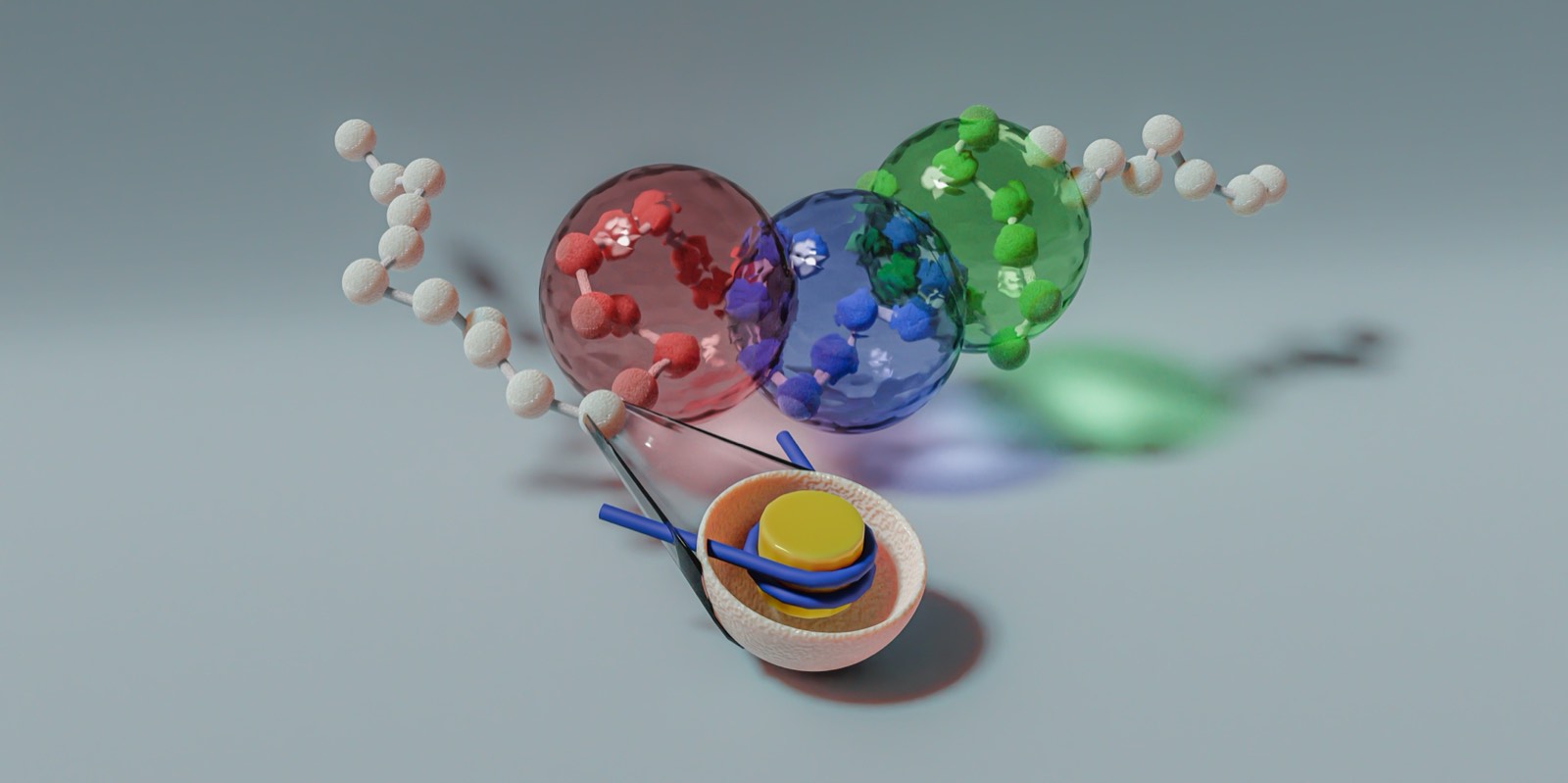
Every cell carries the same DNA, yet a neuron and a liver cell look and function very differently. The difference lies in a layer of information written on top of the sequence — nucleosome positioning, histone modifications, and DNA-binding proteins such as CTCF and cohesin — which shapes how the chromatin fiber folds in three dimensions and which genes are expressed.
I build physics-based models of the mechanisms that link the two, spanning nucleosome resolution to coarse-grained polymers. Folding emerges from loop extrusion by motor proteins and bridging between methylated nucleosomes: given the marks along a genomic region, the model produces a structure and predicts how it changes when the marks change.
Recent work applies this to X-chromosome inactivation, where one X is silenced for the life of the cell while its identical partner stays active. We traced how the X-inactivation center reorganizes from the pre-XCI state into the active and inactive alleles.
I completed my PhD at the Indian Institute of Technology Bombay in 2024 and am now a Postdoctoral Associate at New York University.
Research themes
-
How epigenetic marks reshape the X-inactivation center
Two chromosomes, one sequence, opposite regulatory outcomes. The difference is epigenetic, and it acts through structure.
-
Which mechanism folds a domain: structure against dynamics
Loop extrusion and epigenetic self-attraction can produce the same contact map. Motion tells them apart.
-
From nucleosome-resolution data to a calibrated polymer model
A mechanistic model is only as good as its parameters. We measured them rather than assuming them.
Recent
-
Multiscale chromatin modeling of chromosome X structural changes upon inactivation highlights the differential regulatory mechanism of Xist
-
Predicting statistics of gene translocation events: Role of chromatin compaction and double-strand DNA break
-
Learning Lab
The algorithms from my papers, running live in your browser. Move a CTCF barrier and watch the contact map respond.